By: Cathy Murphy, Director of Community Engagement
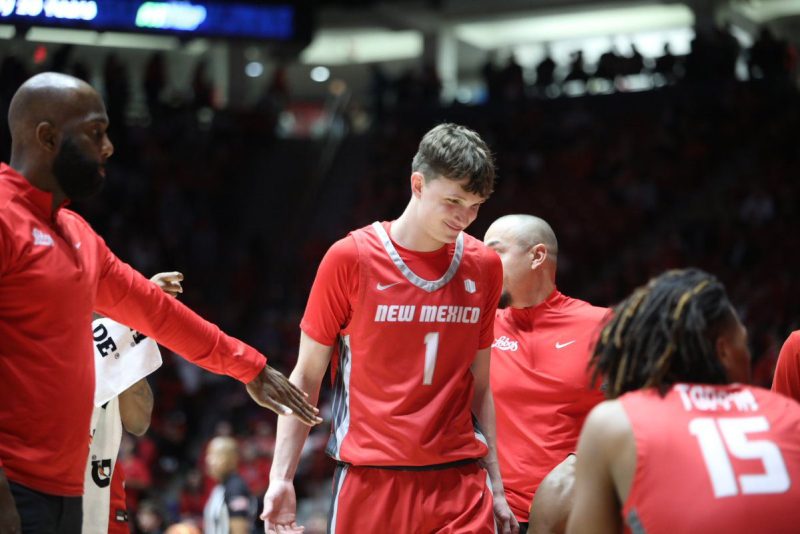
Braden Appelhans, a name familiar to New Mexico basketball enthusiasts, recently shared a heartfelt post on social media. In his recent tweet, he acknowledged his absence from the game and his emotional distance from those around him. His words resonate with a broader issue that affects not only athletes but also young adults across the globe.
More Than Physical Strength
Athletes are often celebrated for their physical prowess, endurance, and competitive spirit. However, behind the scenes, they grapple with mental health challenges that can be as demanding as any physical feat. The pressure to perform, the scrutiny of fans and media, and the relentless pursuit of excellence take a toll on their well-being.
Startling Statistics
Let’s delve into some eye-opening statistics.
1. Youth Mental Health Ranking
- Mental Health America’s 2023 Youth Data reveals that 16.39% of youth aged 12 to 17 suffer from at least one major depressive episode (MDE) in a year and 59.8% of those youth did not receive any mental health treatment. reveals that 39%of youth aged 12 to 17 suffer from at least one major depressive episode (MDE) in a year and 59.8% of those youth did not receive any mental health treatment. This alarming prevalence underscores the urgency of addressing mental health concerns among young people.
2. College Athletes and Mental Health
- Among college students, 33% experience significant symptoms of depression, anxiety, or other mental health conditions. Yet only 30% of this group seek professional help.
- When it comes to college athletes with mental conditions, the numbers are even more concerning. Only 10% of them seek care from mental health professionals.
3. Youth Sports and Mental Health
- Participation in sports can positively impact mental health. Over 50% of adults who engage in sports believe it reduces stress and improves their mental well-being.
- However, the pressure to excel, fear of failure, and the relentless pursuit of perfection can exacerbate mental health challenges among young athletes.
Breaking the Silence: Seeking Help is Strength
Braden’s candid admission serves as a reminder that vulnerability is not weakness. Athletes, like anyone else, need support and understanding. Here are some steps we can take:
Normalize Conversations: Let’s break the stigma around mental health. Encourage open discussions, both on and off the field. When athletes share their struggles, it empowers others to seek help.
Self-Care: Athletes need to prioritize self-care. Rest, proper nutrition, and mental well-0being are essential for peak performance.
Branden’s tweet sheds light on the silent battles fought by athletes. As we cheer for their victories, let’s also rally behind their mental well-being. Together, we can create a culture that values both physical strength and emotional resilience.
Remember, it’s okay to ask for help. You’re not alone.