
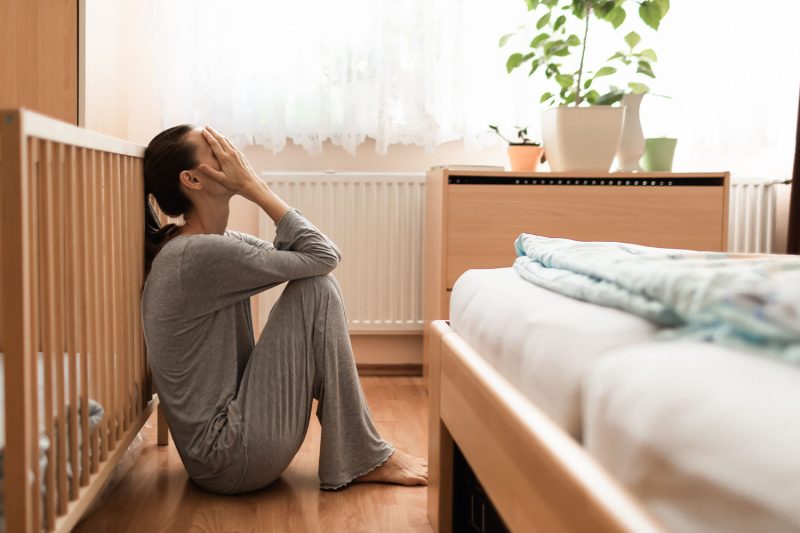
What is Postpartum Depression?
Many new moms experience postpartum “baby blues” after childbirth, which commonly include mood swings, crying spells, anxiety, and difficulty sleeping. Baby blues usually begin within the first 2 to 3 days after delivery and may last up to two weeks.
Postpartum depression (PPD) is a more severe, longer-lasting form of depression and is considered a mood disorder. It can begin at any time in the first few months after giving birth and affects up to 15% of new mothers. Symptoms may include feeling sad, hopeless, guilty, or worthless, as well as difficulty concentrating, loss of interest in activities, changes in appetite, intense irritability, difficulty bonding with your baby, withdrawing from family and friends, or thoughts of harming yourself or your baby.
While postpartum depression is most commonly discussed in mothers, studies show that fathers can experience postpartum depression as well, often reporting symptoms such as sadness, anxiety, irritability, and feeling overwhelmed.
Risk factors for postpartum depression include a personal history of depression, relationship difficulties, financial stress, childbirth complications, recent life stressors, difficulty caring for a medically fragile infant, and limited social support.
Can it be prevented?
Given these risk factors, many expecting parents wonder whether PPD can be prevented altogether.
The honest answer is: not always.
PPD is influenced by many factors, including hormonal changes, genetics, personal mental health history, sleep deprivation, stress, and the level of support available after birth. Because so many factors are involved, even women who are well-prepared and excited about becoming mothers can experience PPD.
However, while PPD cannot always be prevented, there are ways to reduce the risk. Building a strong support system, prioritizing rest whenever possible, addressing anxiety or depression during pregnancy, and talking openly about emotional struggles can all make a difference.
Instead of asking, “How can I make sure this never happens to me?” a more helpful question may be, “How can I prepare to care for my mental health during the postpartum period?” Having a plan for support and knowing the warning signs can help new mothers get the help they need sooner if symptoms arise.
What can New Moms Do?
While there is no guaranteed way to prevent PPD, there are steps new mothers can take to support their mental health during this major life transition.
First, prioritize support. Whether it’s a partner, family member, friend, or therapist, having people you can lean on can make a significant difference. Many new mothers feel pressure to handle everything on their own, but accepting help is a sign of strength, not weakness.
Second, make sleep a priority whenever possible. Sleep deprivation can have a powerful impact on mood, emotional regulation, and overall well-being. While uninterrupted sleep may be difficult with a newborn, finding ways to share nighttime responsibilities or rest during the day can be beneficial.
Finally, pay attention to your emotional health. If feelings of sadness, anxiety, hopelessness, or overwhelm begin to persist, don’t ignore them. Reaching out for support early can help prevent symptoms from becoming more severe.
The postpartum period is demanding, and no mother is meant to navigate it alone. Taking care of yourself is not selfish—it’s an important part of taking care of your baby, too.
The Good News
If you are struggling with postpartum depression, there is hope. Postpartum depression is one of the most common complications of childbirth, and it is highly treatable. With the right support, many mothers experience significant improvement and go on to enjoy healthy, fulfilling relationships with their babies and families.
Seeking help is not a sign of failure—it is a sign that you are taking your mental health seriously. Whether through therapy, support groups, medication, or a combination of approaches, effective treatment is available.
Most importantly, postpartum depression does not define you as a mother. Experiencing depression after childbirth does not mean you love your baby any less, and it does not mean you will feel this way forever. Recovery is possible, and you do not have to go through it alone.
If you or someone you love is experiencing symptoms of postpartum depression, reaching out to your doctor or therapist for support is an important first step. You do not have to navigate the postpartum period alone.