

When children become upset, they often respond with big emotions and physical reactions. They have not yet mastered self-awareness and self-control skills.
Relaxation skills are important to help kids learn to calm down appropriately. When they understand how to regulate their bodies, they can then more clearly communicate their needs and make good decisions in response to what is upsetting them.
Helpful relaxation skills include:
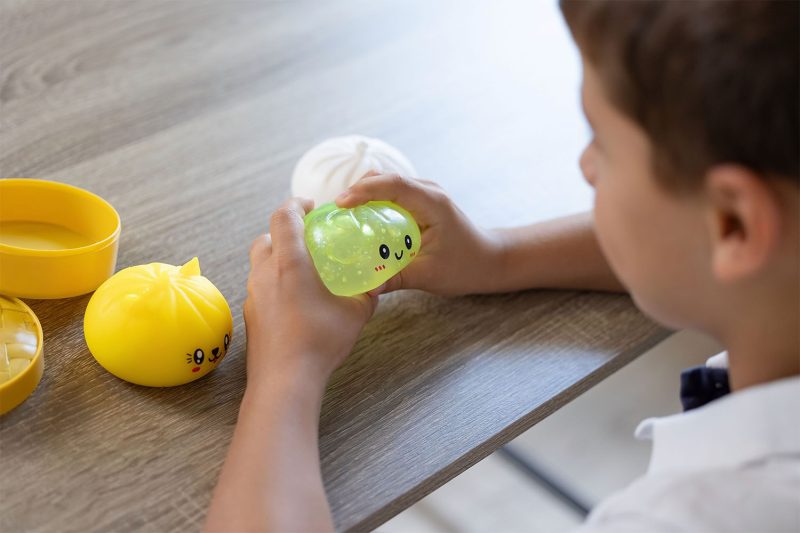
- Sensory Bin—Fill a box with fidgets, squishies, etc of all different types. Encourage your child to take some quiet time to use these toys if you notice them starting to get frustrated.
- Shape-Breathing—Draw a figure 8 or square and have your child slowly trace the shape with their finger, rhythmically breathing in and out as they go along.
- Deep-Breathing—Fun types of breathing techniques include “dandelion breathing” (the child pretends they are holding a fluffy dandelion and then blows the seeds into the air), “birthday candle breathing” (they imagine they are blowing out the candles on their birthday cake), and “hot cocoa breathing” (the child pretends to inhale the yummy scent of a cup of hot chocolate and then breathes out to cool the steam)
- Guided Imagery—calmly read meditation cards to your child to help them visualize a calming and safe scene (search “guided meditation cards for kids” online).
- Calming Jar—Create a calming jar with your child. When they are upset, shake it up and encourage them to watch the glitter settle (search online for “calming jar instructions” to learn how to make it).
- Bubble Breathing—Slowly blow bubbles with your child. Not only is this a fun activity that will help take their mind off of what is upsetting them, but it is also a form of deep breathing.
- Binaural Beats, White Noise, or Calming Music—search for “binaural beats” in your preferred music app or on YouTube. These soothing tones can help relax your child’s mind, along with white noise or other calming music
- Scents—using essential oils or lotions, encourage your child to breathe in relaxing scents such as lavender, chamomile, and eucalyptus.
- Progressive Muscle Relaxation—guide your child through tensing and releasing their muscles, starting at their feet and working up to their head (an online search for “progressive muscle relaxation” will help you find a script to read from, if needed).
- Stretching/Yoga—for some children, moving their body can help relax them and take their mind off what is bothering them.
- Weighted Blanket—covering your child with a weighted blanket for a few minutes can help their body to relax.
- Apps—there are many calming apps available for electronic devices that can help guide your child through visualizations, breathing exercises, sleep stories, and more to help decrease stress.


