
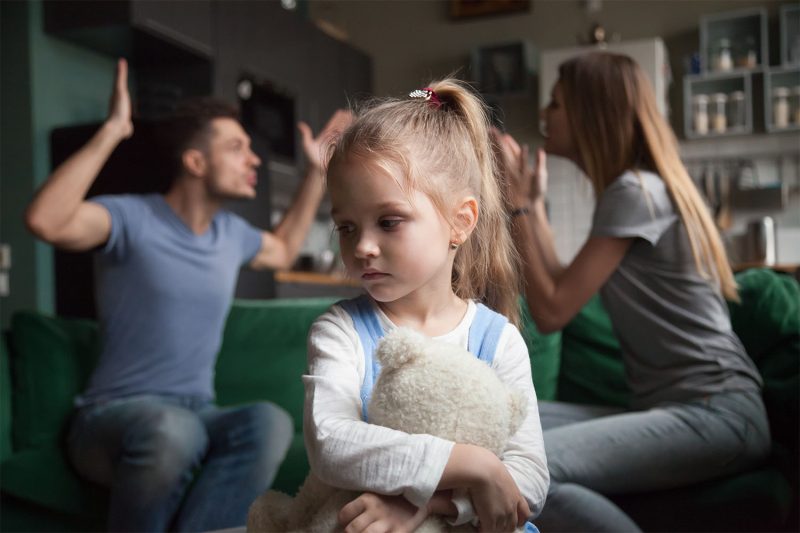
Divorce is one of the biggest changes a family can experience. While every child responds differently, it’s common for children to feel confused, worried, angry, sad, or even relieved depending on their family dynamics. There isn’t a right way for a child to react.
As parents, it’s natural to worry about how divorce will affect your child. The good news is that children are incredibly resilient, especially when they feel loved, supported, and safe throughout the transition.
Remember That Every Child Processes Divorce Differently
Some children openly express their emotions, while others keep their feelings to themselves. Younger children may become more clingy or have more tantrums. Older children may withdraw, become irritable, or seem less interested in activities they once enjoyed.
It’s also important to remember that children don’t always express their emotions with words. Sometimes their feelings show up through changes in behavior, sleep, appetite, school performance, or relationships with others.
Reassure Them That the Divorce is Not Their Fault
One of the biggest fears many children have is believing they somehow caused the divorce.
Even if they never say it out loud, children may wonder:
- “Did I do something wrong?”
- “If I had behaved better, would Mom and Dad still be together?”
- “Can I fix this?”
Children need to hear more than once that the divorce is an adult decision and that they are not responsible for it.
Simple reassurance like, “This is not your fault, and there is nothing you could have done to change it,” can provide a ton of comfort.
Let Them Have Their Feelings
Children may experience many different emotions, sometimes all in the same day.
Instead of trying to talk them out of their feelings, try making space for them.
You might say:
- “I can tell this feels really hard.”
- “It’s okay to feel sad.”
- “I’m here to listen whenever you want to talk.”
When children feel heard rather than dismissed, they learn that emotions are safe to experience and share.
Maintain Predictability When Possible
Divorce often brings many changes at once, new homes, different routines, new schools, or different schedules.
While some changes are unavoidable, maintaining predictable routines can help children feel more secure. Regular mealtimes, bedtime routines, family traditions, and quality one on one time can provide stability during an uncertain time.
Children don’t need life to be perfect, they need to know what they can count on.
Avoid Putting Children in the Middle
One of the most protective things parents can do is keep children out of adult conflict.
Try to avoid:
- Asking children to choose sides
- Speaking negatively about the other parent in front of them
- Using children to pass messages between parents.
- Asking children for details about the other household.
Children benefit from knowing they are allowed to love both parents without feeling guilty or caught in the middle.
Let Them Know That It’s Ok To Love Both Parents
Many children worry that showing affection for one parent will hurt the other parent’s feelings.
Let your child know it’s okay to enjoy time with both parents. This helps reduce feelings of guilt and allows them to maintain healthy relationships without feeling like they have to choose.
Know When Support May Help
Many children adjust well over time with consistent love and support. However, some children may benefit from counseling if they experience ongoing anxiety, sadness, behavioral changes, difficulty at school, or challenges adjusting to the new family dynamic.
Therapy provides children with a safe space to process emotions, learn healthy coping skills, and express thoughts they may have difficulty sharing elsewhere.
Seeking support isn’t a sign that something is wrong it’s simply another way to help your child navigate a big life change.
Final Thoughts
While divorce changes a family, it doesn’t have to define a child’s future.
What children often remember most isn’t the divorce itself, but how the adults around them handled it. When children are surrounded by love, consistency, reassurance, and healthy communication, they are better equipped to adapt and continue growing with confidence.
No family is perfect, and there is no perfect way to navigate divorce. What matters most is continuing to show up for your child with patience, compassion, and the reminder that they are deeply loved no matter what changes around them.