



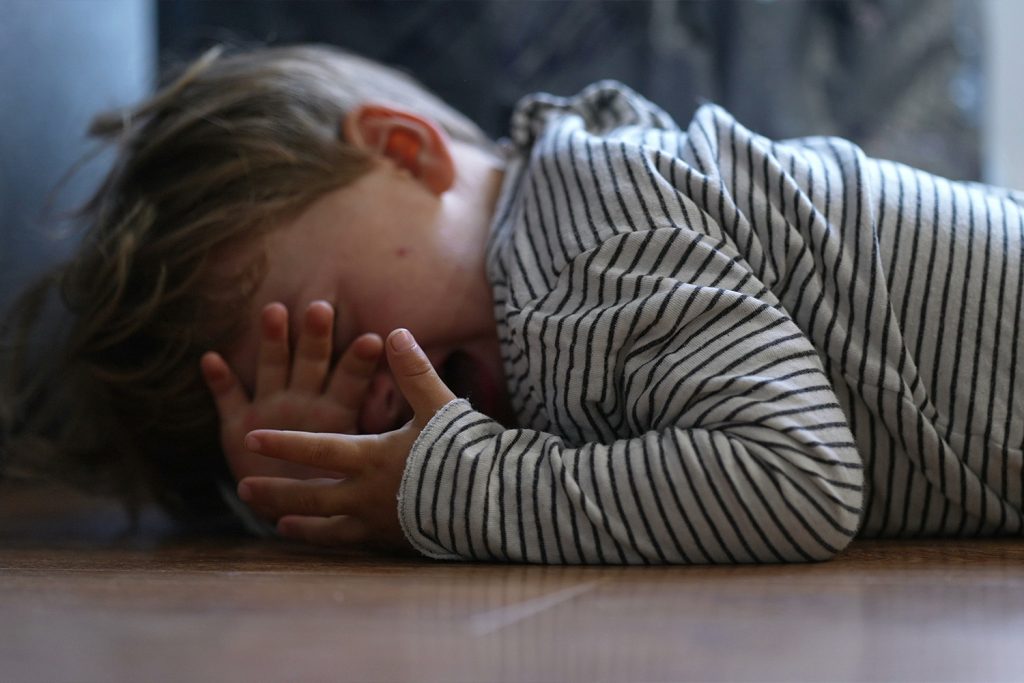
If you’ve ever seen your child go from calm to melting down in a matter of seconds, you know how powerful emotions can be. For kids, big feelings like anger, sadness, or frustration can feel confusing and even a little scary. They often don’t yet have the words, or the tools to express what’s happening inside. As a counselor, I often tell parents that naming emotions is typically the starting point of therapy. You can’t do much else until a child learns to recognize and label what they’re feeling. Once they can name it, we can begin to help them manage it.
Teaching children to “name and tame” their emotions is one of the most valuable skills we can give them. It helps them pause before reacting, understand what’s going on in their bodies, and communicate more clearly with others. Without that foundation, it’s hard for kids to use coping strategies or problem solve effectively, because they don’t know what emotion they’re trying to regulate in the first place.
When I work with kids we often start by learning to identify feelings in small, simple ways. We might use a feelings chart or a “feelings thermometer” to show that emotions come in different levels, not just happy, sad, or mad. I’ll sometimes narrate what I see to help them connect the dots: “It looks like you’re frustrated that your tower fell,” instead of the automatic “its okay.” I also model it myself by saying things like, “I feel disappointed that it’s raining because I wanted to go outside.” Over time children begin to understand that naming a feeling doesn’t make it bigger, it actually helps make sense of it.
Once a child can identify their emotion, the next step is helping them feel safe experiencing and expressing it. Big feelings are part of being human, and when kids feel seen and understood, their emotional intensity often starts to come down on its own. Saying things like, “It’s okay to feel mad when things don’t go your way,” or “That was a really hard moment and I understand why you’re upset,” teaches them that emotions aren’t something to fear or hide. Validation doesn’t mean you agree with their reaction, it simply means you’re showing empathy. And empathy is what builds trust and emotional safety.
After a child feels understood, we can begin practicing coping skills. This is where the “taming” part comes in. Coping strategies should always be practiced when a child is calm, not in the middle of a meltdown. I love introducing tools like deep breathing (we pretend to blow bubbles), calm-down corners with comforting items like fidgets, books, or coloring pages, or simple movement breaks like wall pushes or jumping jacks. Grounding techniques can also be powerful, helping them notice five things they see, four they can touch, three they hear, two they can smell, and one they can taste. Over time, kids start to notice which tools help them feel calm and “back in the green zone.”
Once everyone is calm, reflection helps solidify what they’ve learned. I’ll often ask questions like, “What did your body feel like when you started getting angry?” or “What helped you calm down?” These moments of reflection help kids build emotional awareness and confidence so they can handle big feelings differently next time.
When children can name and tame their emotions, they don’t just behave better, they also feel better. They begin to understand that emotions come and go, and that they have the power to manage what happens next. In teaching this, we’re not just reducing meltdowns but helping kids build lifelong emotional intelligence, resilience, and self-awareness.