
Addiction is not a personal failure — it’s a complex struggle that affects your mind, body, and relationships. Whether you’re facing substance use, behavioral addictions, or the lingering effects of dependency, The Summit Counseling Center is here to walk alongside you. Our licensed therapists offer individualized, evidence-based care in a safe, judgment-free environment.
Is Addiction Affecting Your Life?
You may benefit from addiction counseling if you:
- Feel like your substance use is interfering with your health, work, or relationships
- Use drugs, alcohol, or certain behaviors (like gambling or gaming) to cope with stress or emotions
- Have tried to quit or cut back without success
- Experience guilt, shame, or isolation around your behavior
- Want to maintain recovery and prevent relapse
- Are ready to make a change but don’t know where to start
Our Approach
Our therapists work with you to explore the root causes of addiction, develop healthy coping strategies, and build a path toward recovery. We tailor therapy to your needs using evidence-based practices such as:
Types of Therapy
- Accelerated Experiential Dynamic Psychotherapy (AEDP)
- Acceptance & Commitment Therapy (ACT)
- Adlerian Therapy
- Applied Behavior Analysis (ABA)
- Art Therapy
- Attachment-Based Therapy
- Biofeedback
- Brain Spotting
- Christian Counseling
- Cognitive Behavior (CBT)
- Compassion Focused
- Couples Counseling
- Creative & Expressive Art
- Culturally Sensitive
- Dance Movement Therapy
- Dialectical Behavior (DBT)
- Existential
- Experiential
- Expressive Arts
- Family Systems
- Family Therapy
- Gestalt
- Humanistic Therapy
- Integrative Therapy
- Internal Family Systems
- Interpersonal Therapy (IPT)
- Jungian Therapy
- Mindfulness-Based Cognitive Therapy (MBCT)
- Motivational Interviewing
- Multicultural Therapy
- Music Therapy
- Narrative Therapy
- Person-Centered Therapy
- Positive Psychology
- Psychoanalytic Therapy
- Rational Emotive Behavior (REBT)
- Reality Therapy
- Relational Therapy
- Schema Therapy
- Solution Focused Brief (SFBT)
- Somatic Therapy
- Strength-Based Therapy
- Structural Family Therapy
- Transpersonal Therapy
- Trauma-Focused Therapy
Whether you’re beginning your recovery journey, navigating a relapse, or supporting a loved one with addiction, we’re here to help — with compassion and expertise.
Recovery Is Possible
Healing is not linear — and every step forward matters. At The Summit, we believe in your ability to change and grow. You don’t have to face addiction alone.
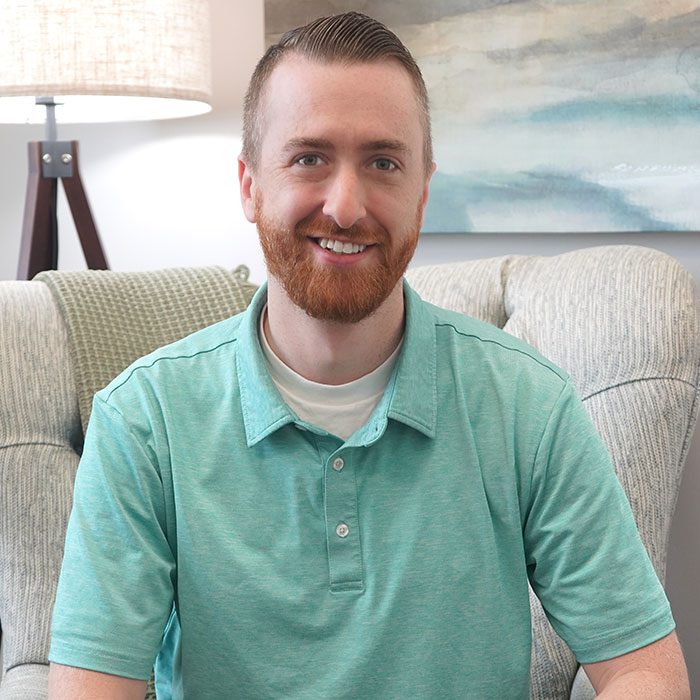
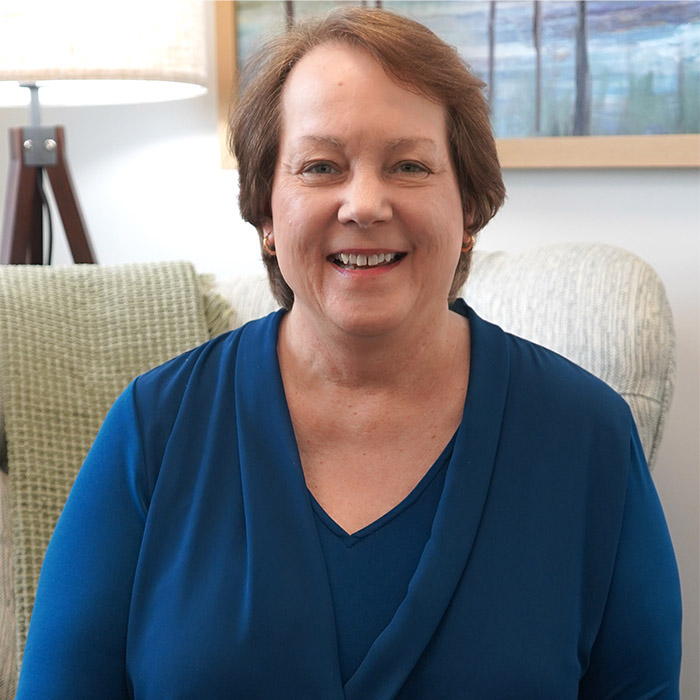
Therapists for Addiction



Related Articles

Is Postpartum Depression Avoidable?
Jessica Gross , M.A.
What is Postpartum Depression? Many new moms experience postpartum “baby blues” after childbirth, which commonly include mood swings, crying spells, anxiety, and difficulty sleeping. Baby blues usually begin within the first 2 to 3 days after delivery and may...

Does My Child’s Bedtime Matter During the Summer?
Sarah Mixson , M.S.W.
When school is out and summer begins, it’s natural for routines to shift. Bedtimes are often stretched later, screens stay on longer and sleep habits can fall by the wayside. While summer brings more freedom and fun, consistent sleep...

Finding the Right Therapist: Why Fit Matters
Jessica Gross , M.A.
Not Every Therapist is the Right Fit Starting therapy is a big step — and one of the first things to know is that finding the right therapist can be just as important as deciding to go in the...