
Sometimes words aren’t enough to express what you’re feeling inside. Art Therapy offers a powerful, nonverbal way to explore emotions, reduce stress, and promote healing. At Summit Counseling Center, our trained Art Therapists guide individuals of all ages in using the creative process to support emotional well-being, build self-awareness, and foster resilience.
What Is Art Therapy?
Art Therapy is a form of expressive therapy that combines the creative process with psychological support. Using materials like paint, clay, drawing, and collage, clients are encouraged to express inner thoughts and feelings that may be difficult to verbalize. Art Therapy is facilitated by licensed professionals trained in both mental health and the visual arts.
Art Therapy can be especially effective for:
- Addiction
- Adoption
- Alcohol Use (Family Members)
- Alcohol Use (Individuals)
- Anger Management
- Anxiety and Panic Disorders
- Attention Deficit/Hyperactivity Disorders (ADHD)
- Autism Spectrum Disorder
- Behavioral Issues
- Bipolar Disorder
- Blended Families and Remarriage
- Body Positivity
- Borderline Personality (BPD)
- Cancer
- Career/Work Issues
- Caregiver Stress
- Chronic Illness
- Codependency
- College Transitions
- Communication Skills
- Conflict Resolutions
- Death & Dying
- Dementia (Family)
- Depression
- Dissociative Disorders (DID)
- Divorce/Separation
- Domestic Abuse (Adult)
- Drug Abuse (Family)
- Drug Abuse (Individual)
- Dual Diagnosis
- Eating Disorders
- Education & Learning Disabilities
- Emotional Abuse
- Family Conflict
- Family Violence and Abuse
- Fears and Phobias
- First Responders
- Gambling
- Gender & Sexual Identity Concerns
- Geriatric & Seniors
- Grief and Loss
- Health Concerns
- Infertility
- Infidelity
- Internet Addiction
- Intimacy Issues
- Learning Disabilities
- Life Transitions
- Low Self-Esteem
- Marriage
- Men’s Mental Wellness
- Narcissistic Personality Disorder (NPD)
- Obsessive-Compulsive Disorder (OCD)
- Oppositional Defiance Disorder (ODD)
- Parent – Child Relationships
- Parenting
- Personality Disorders
- Physical Abuse
- Pregnancy, Prenatal, Postpartum Issues
- Premarital Counseling
- Problem Behaviors
- Process Addiction (Gambling, Gaming, etc.)
- Psychological Testing & Assessments
- Racial Identity
- Relationship Issues
- Self-Esteem
- Self-Harming
- Sex/Pornography Addiction
- Sexual Abuse
- Sexual Issues and Concerns
- Sleep or Insomnia
- Social Skills and Peer Relationships
- Spiritual Issues and Concerns
- Spirituality
- Sports Performance
- Stress
- Substance Misuse & Addiction
- Suicidal Ideation
- Trauma and Posttraumatic Stress Disorder (PTSD)
- Veterans
- Women’s Wellness
What to Expect in Art Therapy
You don’t need to be an artist to benefit from Art Therapy. Sessions focus on expression, not perfection, and may include:
- Drawing, painting, sculpture, or mixed media
- Guided creative prompts related to emotions and experiences
- Exploration of personal symbols and visual metaphors
- Processing thoughts and feelings through your artwork
- Supportive dialogue with your therapist
Art Therapy helps you gain insight, express difficult emotions, and make meaning through creativity.
Why Choose Summit Counseling Center?
- Licensed and credentialed Art Therapists (ATR/LPC)
- Supportive for children, teens, adults, and families
- Combines evidence-based mental health care with creative expression
- Offered in individual or group settings, in-person or virtual
Whether you’re navigating trauma, managing stress, or simply seeking a new way to connect with yourself, Art Therapy can be a powerful path forward.
Start Expressing & Healing Today
If you’re looking for Art Therapy near me, creative therapy for children, or ways to heal through expressive arts, we’re here to help you take the first step.
Call us now or book an appointment online with an Art Therapist at Summit Counseling Center.
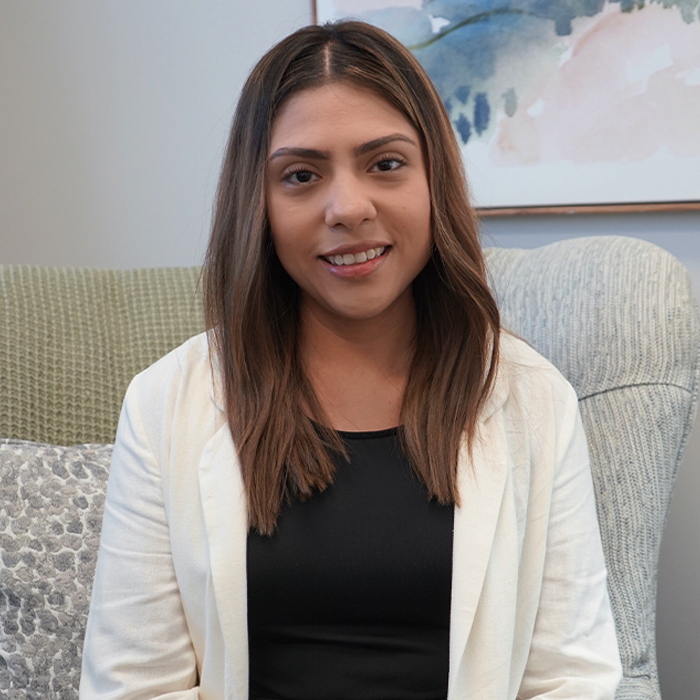
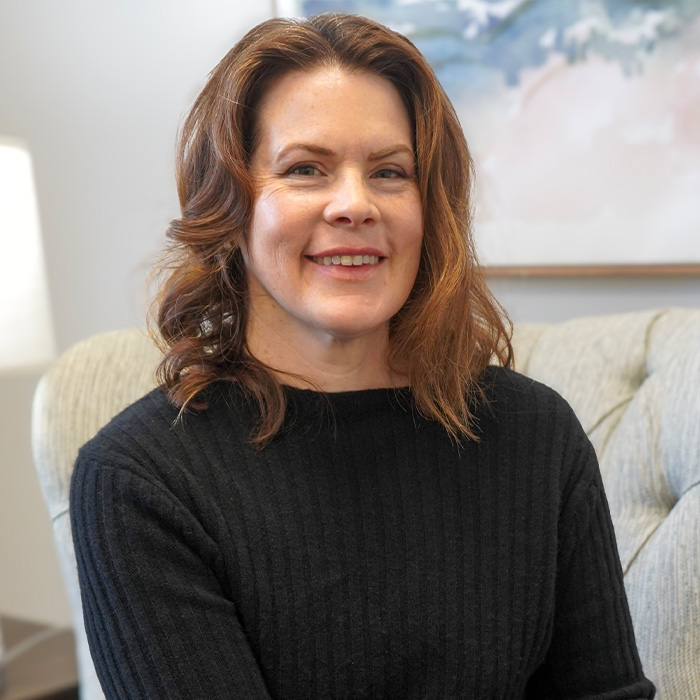
Therapists for Art Therapy
Related Articles
Systems Generated Trauma
Janet Fluker , M.Ed., M.S.
As a parent of an adult with disabilities and an advocate in the disability community, I try to keep up with the latest research in this area. I recently read an article that stopped me in my tracks. Cerebra,...

The Bio-Social Therapy: What Makes You, You!
Becca Samelson-Webb , M.A.
Why are we the way that we are? You’ve probably heard the idea of nature vs nurture discussed by mental health professionals. Some people take the approach that nature, or biology, is what creates certain behaviors in people. For...

What is Parent Child Interaction Therapy?
Margaret “Maisy” Kelley , M.S.
Parent Child Interaction Therapy (PCIT) is a modality of therapy focused on strengthening the parent-child relationship and reducing problematic or attention seeking behaviors. Treatment for PCIT is highly structured. There are two key phases: Child Directed Interaction and Parent...