
Problem behaviors can affect individuals of all ages and may impact family, school, or work life. At The Summit Counseling Center, we provide compassionate support to help you identify triggers, develop effective coping strategies, and improve behavior patterns for better overall functioning.
Are Problem Behaviors Affecting You or Your Loved Ones?
Counseling can help if you or someone you care about:
- Exhibits frequent anger, aggression, or defiance
- Struggles with impulsivity or difficulty following rules
- Displays withdrawal, avoidance, or oppositional behaviors
- Has challenges with emotional regulation or frustration tolerance
- Experiences conflicts at home, school, or work due to behaviors
- Wants to build healthier habits and improve relationships
Our Approach
Our therapists create a supportive, non-judgmental space to explore the root causes of behaviors and build skills for change. We use proven methods such as the approaches listed below.
Types of Therapy
- Accelerated Experiential Dynamic Psychotherapy (AEDP)
- Acceptance & Commitment Therapy (ACT)
- Adlerian Therapy
- Art Therapy
- Attachment-Based Therapy
- Christian Counseling
- Cognitive Behavior (CBT)
- Compassion Focused
- Couples Counseling
- Creative & Expressive Art
- Culturally Sensitive
- Dance Movement Therapy
- Dialectical Behavior (DBT)
- Existential
- Experiential
- Expressive Arts
- Family Systems
- Family Therapy
- Gestalt
- Humanistic Therapy
- Integrative Therapy
- Internal Family Systems
- Interpersonal Therapy (IPT)
- Jungian Therapy
- Mindfulness-Based Cognitive Therapy (MBCT)
- Motivational Interviewing
- Multicultural Therapy
- Music Therapy
- Narrative Therapy
- Parent-Child Interaction (PCIT)
- Person-Centered Therapy
- Play Therapy
- Positive Psychology
- Psychoanalytic Therapy
- Rational Emotive Behavior (REBT)
- Reality Therapy
- Relational Therapy
- Sand Play Therapy
- Schema Therapy
- Solution Focused Brief (SFBT)
- Somatic Therapy
- Strength-Based Therapy
- Structural Family Therapy
- Transpersonal Therapy
- Trauma-Focused Therapy
Together, we work toward lasting positive change that enhances well-being and relationships.
Positive Change Is Possible
With the right support and tools, you can reduce conflict, strengthen coping skills, and improve relationships at home, school, and work.
Take the First Step Toward Healthier Behaviors
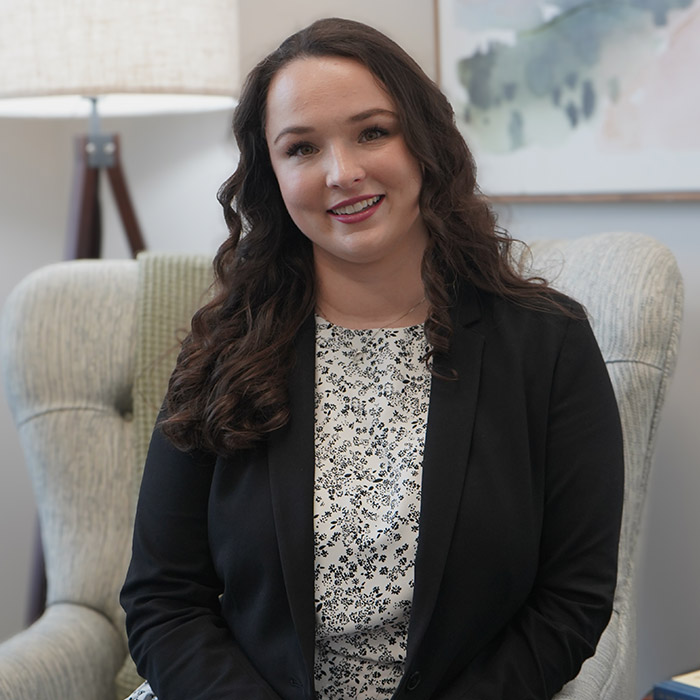
Therapists for Problem Behaviors












Related Articles

Does My Child’s Bedtime Matter During the Summer?
Sarah Mixson , M.S.W.
When school is out and summer begins, it’s natural for routines to shift. Bedtimes are often stretched later, screens stay on longer and sleep habits can fall by the wayside. While summer brings more freedom and fun, consistent sleep...

Parenting Through the Teen Years
Anna Marie Jackson , M.S.W.
If you’re raising a teenager, you’ve probably had moments where you’ve wondered, “What happened to my sweet, talkative kid?” One day they’re telling you everything, and the next they’re answering every question with, “I’m fine.” It can feel frustrating,...

Helping Children Cope with Divorce
Caroline Buttrey , M.S.W
Divorce is one of the biggest changes a family can experience. While every child responds differently, it’s common for children to feel confused, worried, angry, sad, or even relieved depending on their family dynamics. There isn’t a right way...